Dr. Betzalel Krasnow, DDS
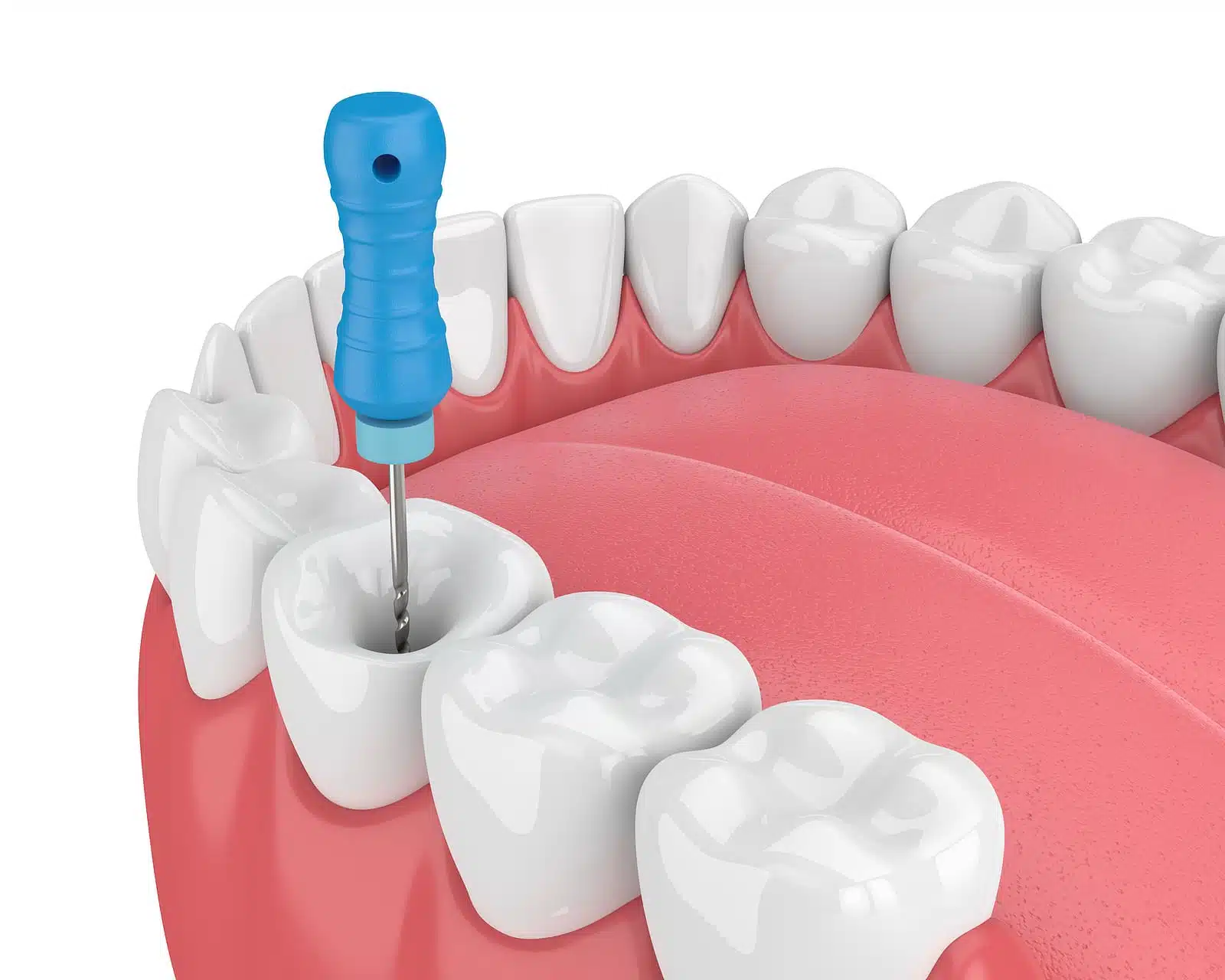
A root canal is a treatment used to save a tooth when the inner pulp becomes infected, inflamed, or badly damaged. During the procedure, the dentist removes the infected tissue inside the tooth, cleans and seals the canals, and then restores the tooth so it can function again. At ARK Esthetics, patients who need a root canal in Williamsburg, NY, can expect the process to be explained clearly before treatment begins.
Why Would Someone Need a Root Canal?
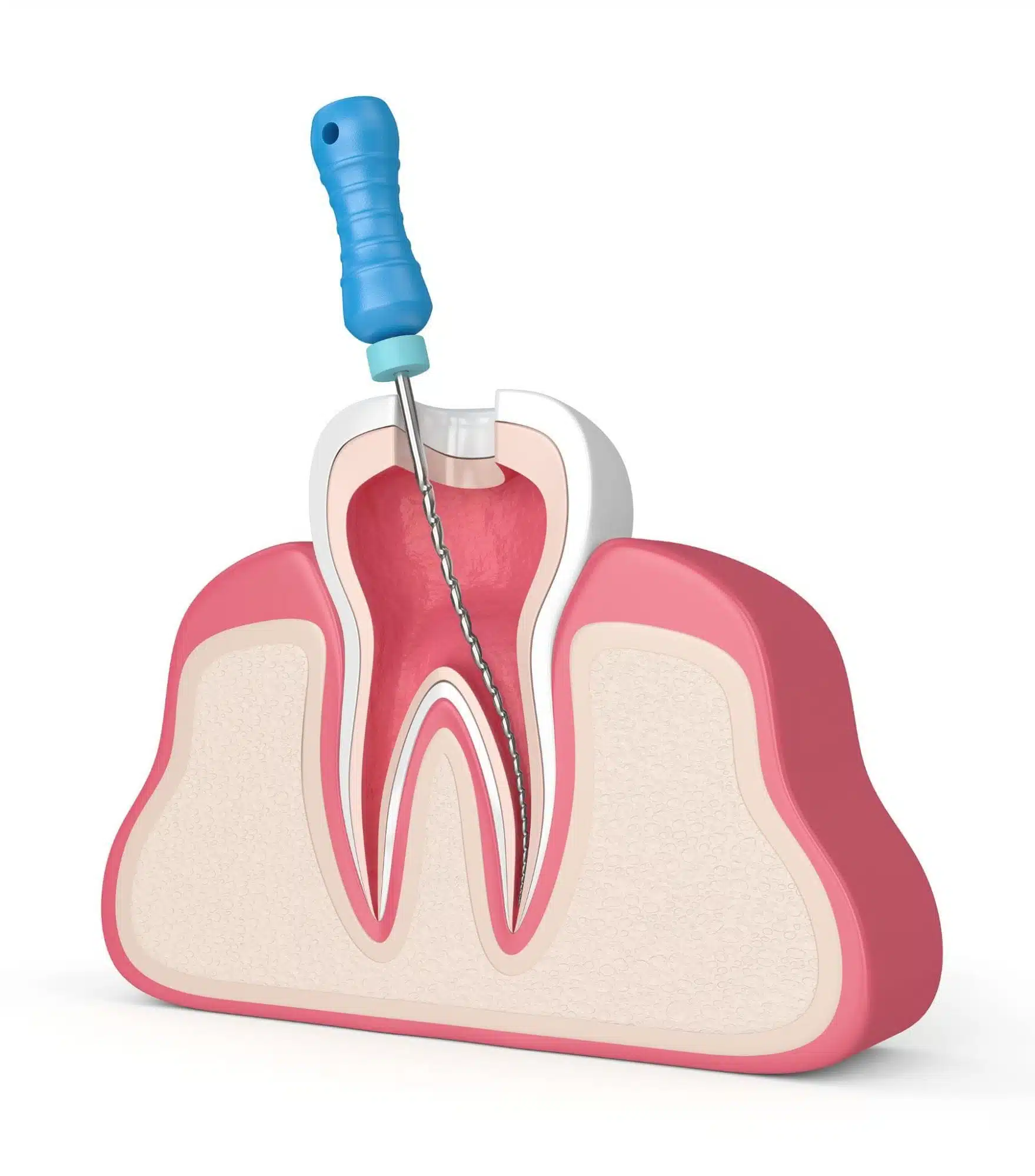 A root canal is usually recommended when damage has reached the soft tissue inside the tooth. This inner area contains nerves, blood vessels, and connective tissue. When it becomes infected or inflamed, the tooth may not heal on its own.
Common reasons include:
- deep decay
- a cracked or damaged tooth
- repeated dental work on the same tooth
- trauma to the tooth
- infection near the root
- lingering pain or swelling
A root canal helps remove the source of infection while keeping the natural tooth in place.
Signs You May Need a Root Canal
Not every toothache means you need a root canal, but some symptoms should be checked quickly.
| Symptom | What it may suggest | Why get checked |
| Lingering tooth pain | Nerve irritation or infection | Pain may worsen without treatment |
| Sensitivity to hot or cold | Pulp inflammation | Sensitivity that lingers can be a warning sign |
| Swollen gums | Infection near the root | Swelling may spread if ignored |
| Pain when biting | Pressure around the root | The tooth may be inflamed or cracked |
| Darkened tooth | Past trauma or internal damage | The tooth may need evaluation |
If you notice any of these signs, scheduling an exam is the safest next step.
What Happens During a Root Canal?
For many first-time patients, the worry comes from not knowing what to expect. The actual process is more straightforward than most people imagine.
1. Exam and X-rays
The dentist examines the tooth and may take X-rays to see the roots, surrounding bone, and signs of infection. This helps confirm whether a root canal is needed or whether another treatment makes more sense.
2. Numbing the Tooth
The area is numbed so treatment can be completed comfortably. Most patients feel pressure or vibration, but not sharp pain, during the procedure.
3. Cleaning the Inside of the Tooth
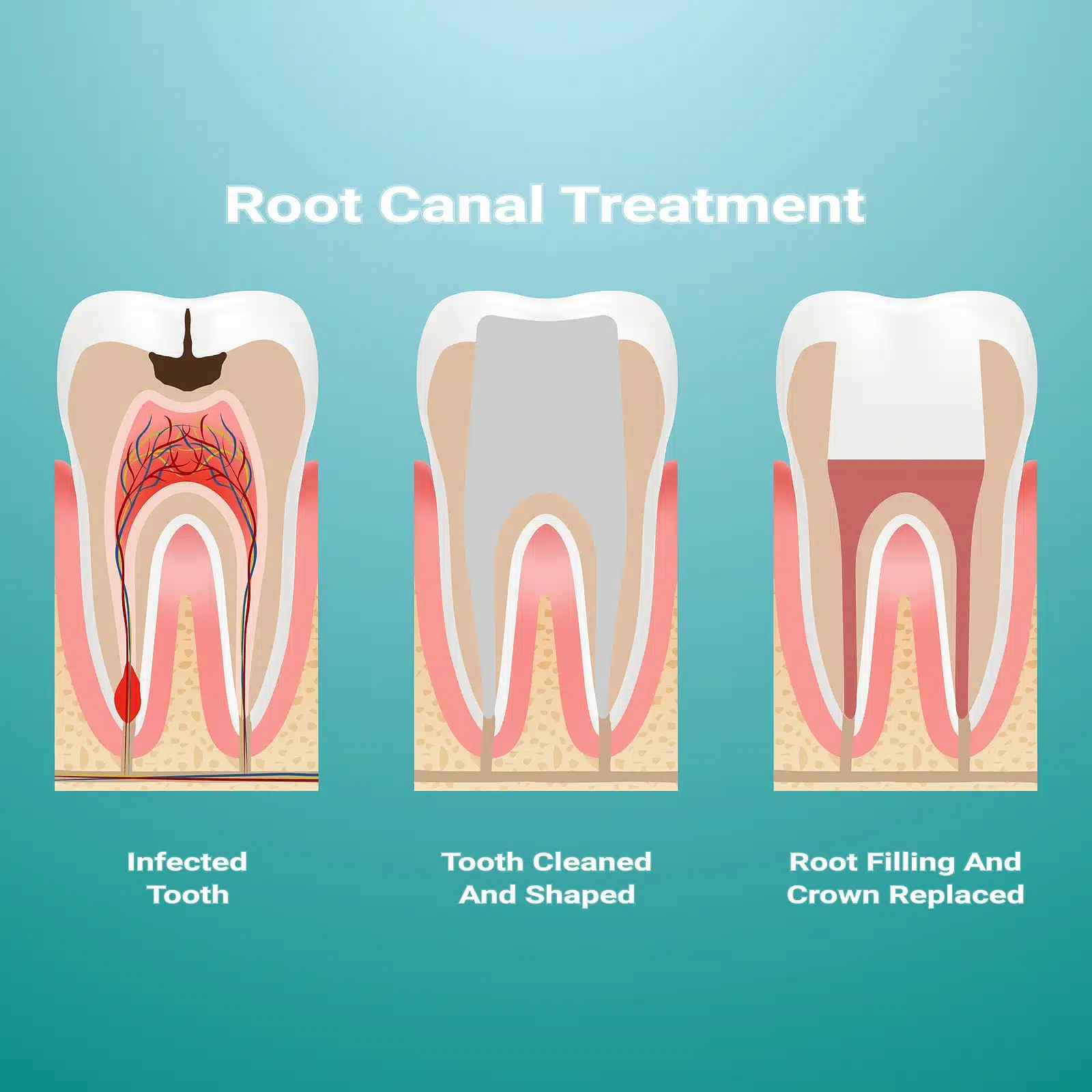
The dentist creates a small opening in the tooth and removes the infected or damaged pulp. The canals inside the roots are cleaned and shaped.
4. Sealing the Canals
Once the canals are cleaned, they are filled and sealed to help prevent reinfection.
5. Restoring the Tooth
Many teeth need a dental crown after root canal treatment, especially back teeth that handle chewing pressure. The restoration helps protect the tooth and restore function.
Does a Root Canal Hurt?
A root canal in Williamsburg, NY, is meant to relieve pain, not create more of it. The tooth and surrounding area are numbed before treatment, so most patients feel much less than they expected.
After the visit, mild soreness or tenderness can happen for a few days, especially if the tooth was painful before treatment. That usually improves as the area heals.
Root Canal vs Tooth Extraction
When a tooth is infected, some patients wonder whether it should be removed instead. The right choice depends on the condition of the tooth, the bone, and the long-term plan for your smile.
| Option | What it does | Key consideration |
| Root canal | Removes infection while keeping the natural tooth | Often preferred when the tooth can be saved |
| Tooth extraction | Removes the entire tooth | May require replacement with an implant, bridge, or denture |
| Dental implant | Replaces a missing tooth from the root up | May be considered if the tooth cannot be saved |
When possible, saving the natural tooth can help preserve chewing function and avoid the need for tooth replacement later. If the tooth cannot be saved, tooth extractions and dental implants may be discussed.
How Long Does a Root Canal Take?
Many root canals can be completed in one visit, though some cases may need more than one appointment. Treatment time depends on the tooth, the number of canals, infection level, and whether a crown or additional restoration is needed.
Molars usually take longer because they have more canals. Front teeth may be simpler in comparison.
What Happens After a Root Canal?
 After treatment, the tooth may feel tender for a short period. You should avoid chewing hard foods on that side until the final restoration is complete.
Aftercare usually includes:
- following care instructions
- taking recommended medication if advised
- keeping the area clean
- avoiding hard chewing until restored
- returning for the final crown or filling if needed
Once restored, the tooth can usually function like your other teeth.
When Should You Not Wait?
Some symptoms should be treated as urgent. If you have swelling, severe tooth pain, fever, a bad taste, or pain that keeps you from sleeping, it may be time to seek emergency dental care.
Waiting too long can allow the infection to spread or make the tooth harder to save.
How to Prepare for Your Visit
Before your appointment, write down when the pain started, what triggers it, and whether the tooth hurts when biting. This helps the dentist understand what may be happening.
It also helps to bring questions such as:
- Can this tooth be saved?
- Will I need a crown afterward?
- How many visits will treatment take?
- What should I avoid after treatment?
- What happens if I delay care?
Clear answers can make the process feel less intimidating.
Get Relief and Protect Your Tooth
 Root canal treatment is often the difference between saving a damaged tooth and losing it. If you are wondering what happens during a root canal, the main thing to know is that the process is designed to remove infection, reduce pain, and help the tooth function again.
At ARK Esthetics, Dr. Betzalel Krasnow, DDS, helps patients understand their diagnosis, treatment steps, and restoration options before moving forward. Visit us at 549 Myrtle Ave, Brooklyn, NY 11205. New patients can call (718) 215-9421, and current patients can call (718) 603-9093 to schedule care.
Frequently Asked Questions
What happens during a root canal?
The dentist removes infected or damaged tissue from inside the tooth, cleans and seals the canals, and then restores the tooth with a filling or crown.
How do I know if I need a root canal?
Lingering pain, swelling, sensitivity, pain when biting, or a darkened tooth can be signs. An exam and X-ray can confirm what is needed.
Is a root canal painful?
The area is numbed before treatment. Most patients feel pressure, not sharp pain. The procedure is usually much less uncomfortable than the infection itself.
Do I need a crown after a root canal?
Many teeth, especially molars, need a crown after root canal treatment to protect the tooth from fracture and restore chewing strength.
Can I wait if the pain goes away?
No. Pain can fade even if the infection is still present. It is better to have the tooth checked before the problem becomes harder to treat.

 549 Myrtle Ave, Brooklyn, NY 11205, United States
 Info@arkesthetics.com